Storm Chasing Wiki
Learn storm chasing—safely, clearly, and in one place.
A community-friendly reference for newcomers and curious weather nerds: safety basics, gear guides, storm structure, terminology, and notable events—organized like a wiki.
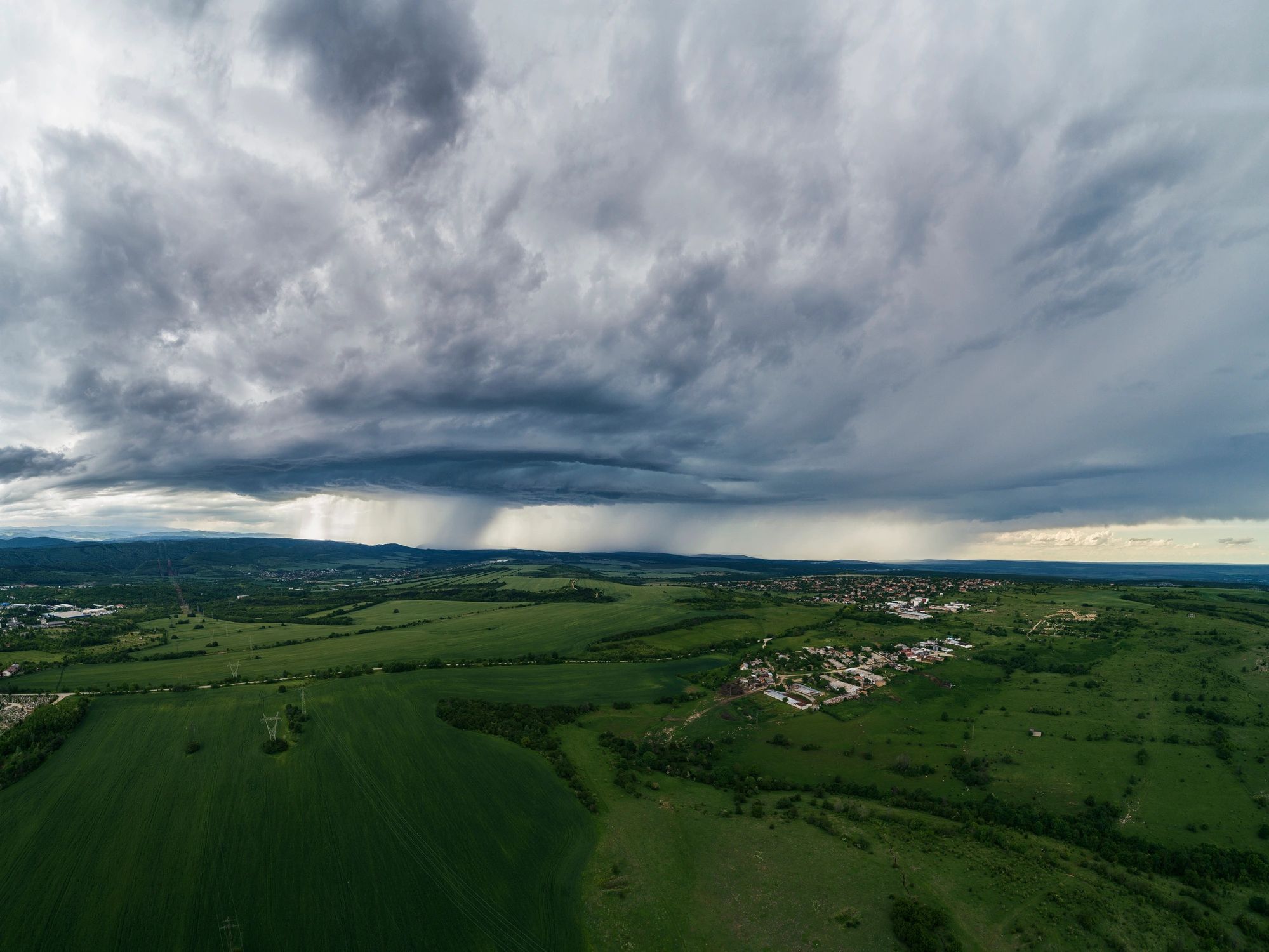
How this wiki helps
A clear learning path—from first read to field-ready fundamentals
Popular starting points
Jump into the wiki
Not sure where to begin? These pages cover the essentials and link out to deeper topics.
FAQ
Quick answers to common questions. For details, follow the links in each section.
Is storm chasing safe?
Storm chasing can be dangerous. This wiki emphasizes safety-first learning, risk awareness, and responsible decision-making. Start with the Safety page.
Do I need special equipment to start learning?
No. You can learn the basics with free online resources and a phone/computer. Our Gear page explains what’s helpful and what’s optional.
What’s the difference between a watch and a warning?
A watch means conditions are favorable; a warning means severe weather is occurring or imminent. See Glossary for more definitions.
Where should I begin if I’m brand new?
Start with Getting Started, then read Safety, and use the Glossary as you go.
Does this site provide real-time forecasts?
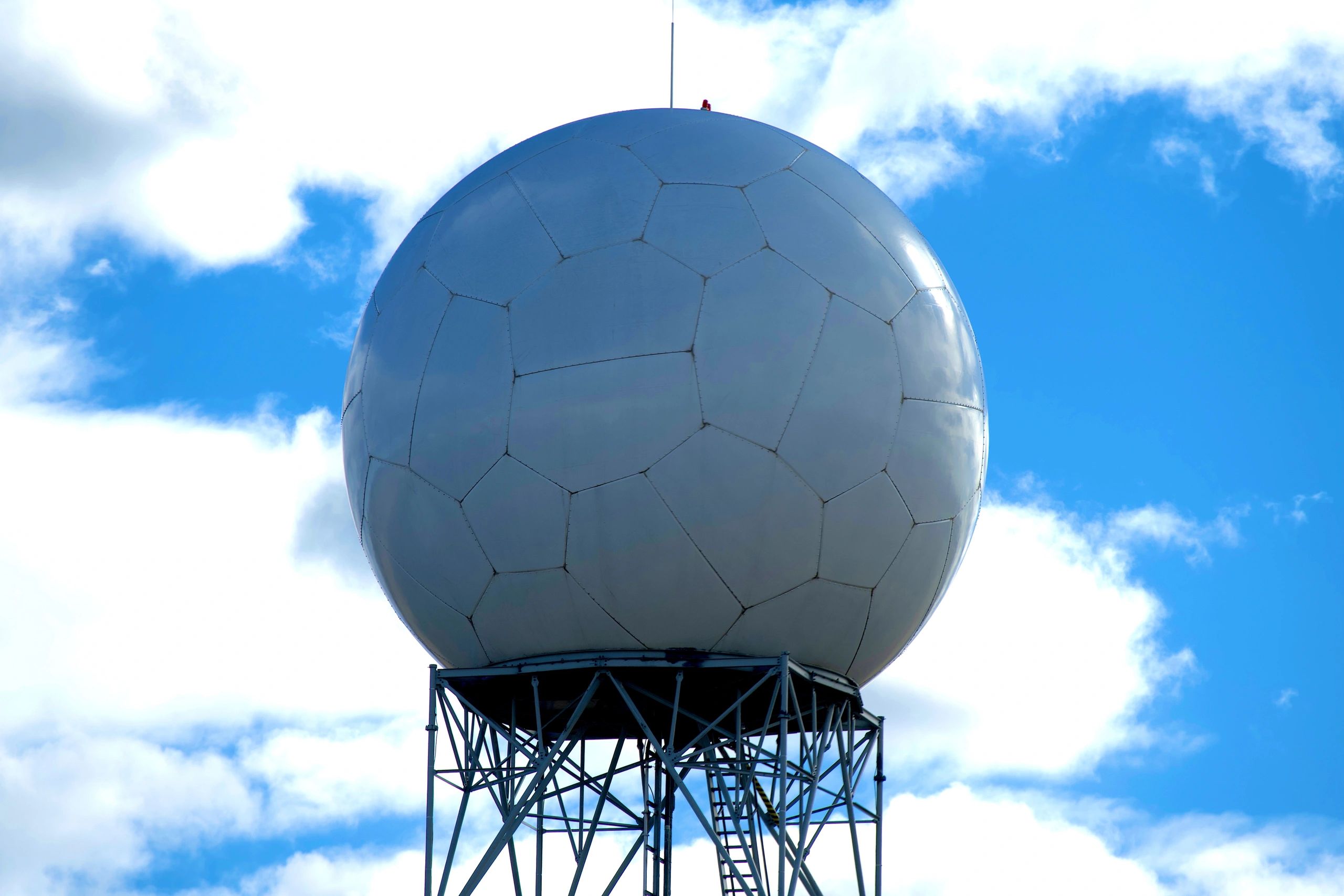
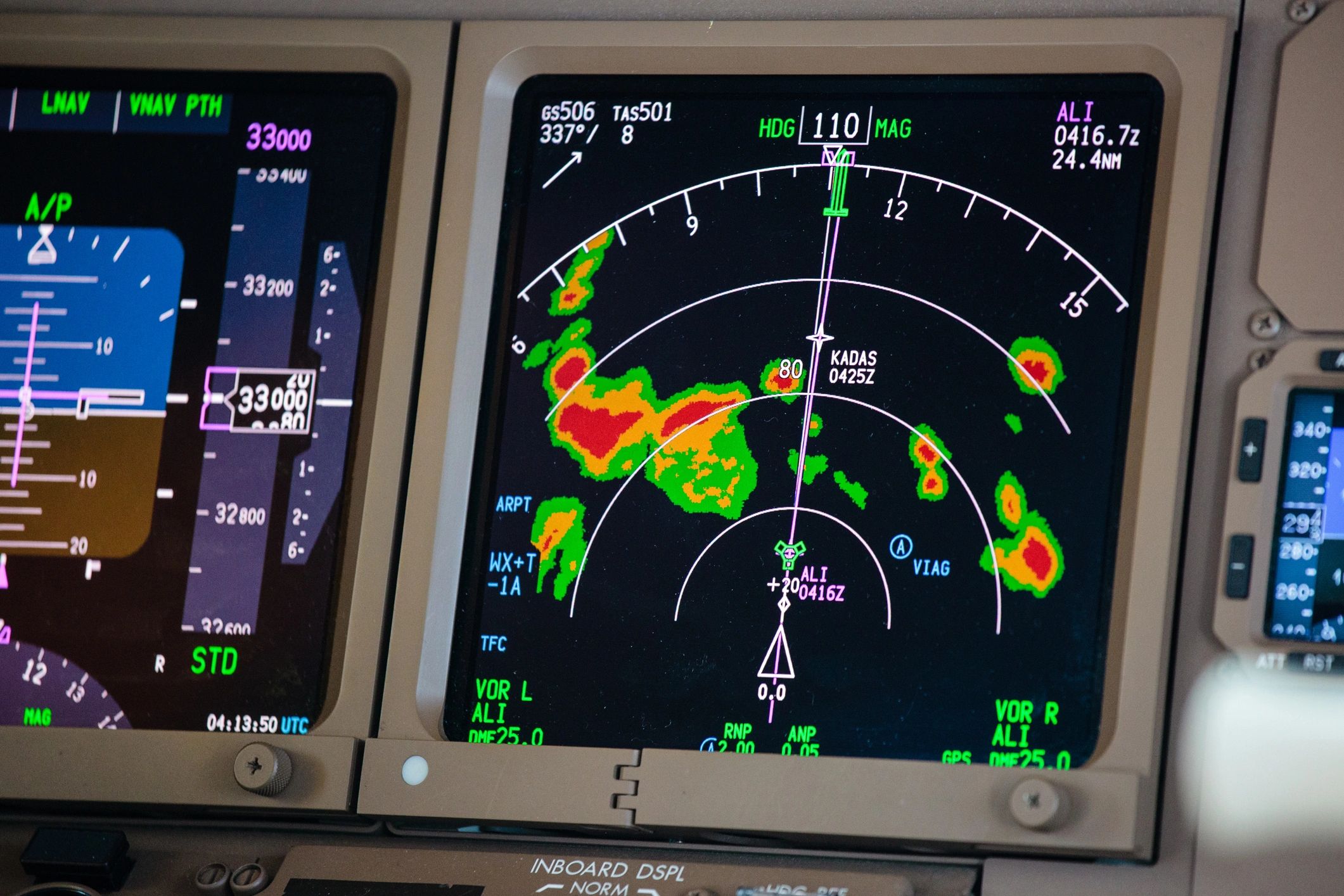
We link to trusted tools and explain how to use them, but we’re not a real-time forecasting service. See Radar & Forecast Tools.
Can I contribute or suggest edits?
Yes—use the Contact page to share corrections, sources, or suggestions for new pages.
Next step
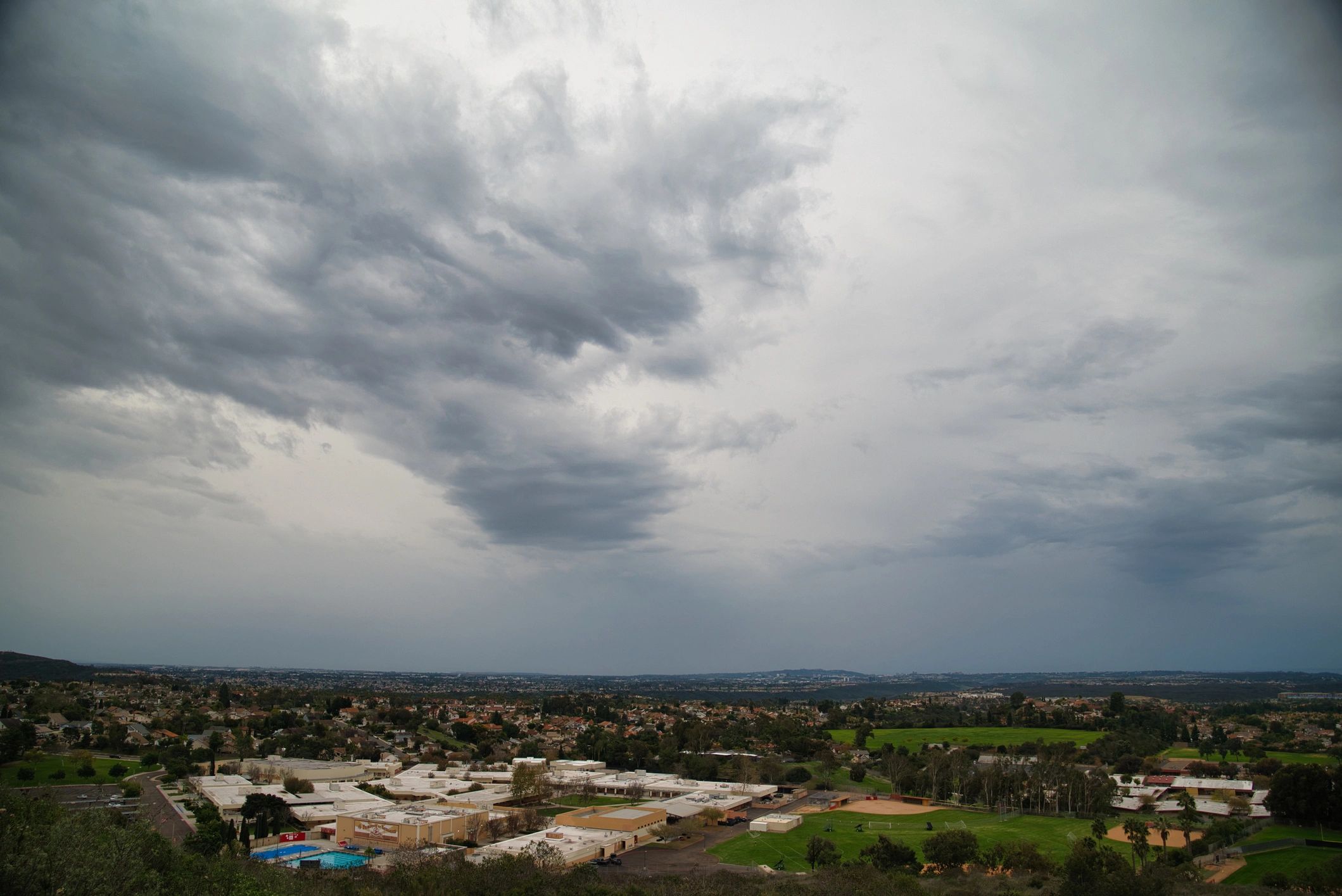
Learn how storms are structured
Understand supercells, squall lines, and the features that matter for safety and situational awareness.