Notable Storms: what happened, what we learned, and why it matters

How to read this page

This page highlights well-documented severe-weather events as learning referencesโ€”not thrill stories. Each entry focuses on setup, storm mode, hazards, and key takeaways you can apply to safer decision-making. When you see a date or location, use it as a starting point for deeper research (official reports, radar archives, and peer-reviewed summaries).

Framework

What makes a storm โ€œnotableโ€?

Notability can come from meteorology, impacts, or how much the event improved forecasting and safety practices.

Meteorological significance

Unusual environments, rare storm modes, or exceptional storm structure that advanced understanding of severe convection.


High-impact hazards

Tornadoes, giant hail, destructive winds, flash flooding, or lightning outbreaks that caused widespread damage or disruption.


Forecasting & communication lessons

Events that changed how outlooks, warnings, and risk messaging are issuedโ€”or revealed gaps in how people receive them.


Safety & chasing implications

Scenarios that highlight road-network traps, visibility issues, storm-speed problems, or the limits of โ€œcloseโ€ observing.

Tornado outbreak

High-shear, fast-moving supercells

What to study: storm-relative motion, HP structure, and how quickly a โ€œsafeโ€ position can become unsafe. Takeaway: prioritize escape routes and avoid committing to poor road networks.

Hail day

Giant hail potential

What to study: hail growth zones, storm cycling, and how hail cores shift with storm evolution. Takeaway: treat hail as a primary hazardโ€”windshields and injuries end chases.

Lightning

Frequent cloud-to-ground strikes

What to study: anvil lightning, outflow boundaries, and why โ€œno rainโ€ doesnโ€™t mean โ€œno lightning.โ€ Takeaway: keep distance from towers/ridges and avoid exposed positions.

Flooding

Training storms and flash floods

What to study: boundary-parallel flow, repeated cells, and radar-estimated rainfall. Takeaway: never drive into waterโ€”turn around, donโ€™t drown.

Build your reference skills

Go deeper with these companion pages

Use these to decode what youโ€™re seeing in reports, radar, and field observations.
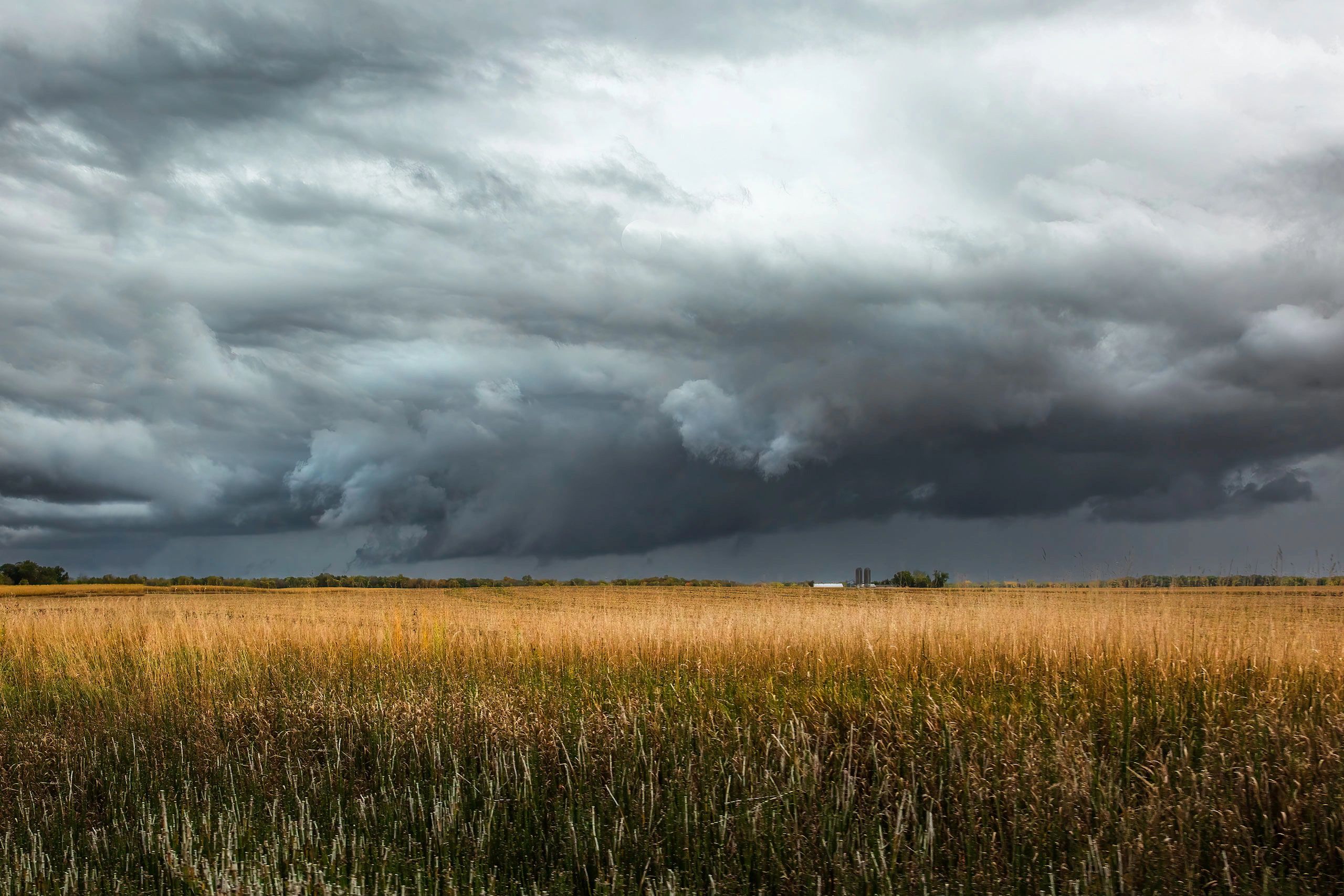
Dramatic storm clouds over open field, representing storm structure

Storm modes & structure

Learn the differences between supercells, QLCS lines, and multicell clustersโ€”and what each implies for hazards and visibility.

Storm types
Instructor pointing at a projected screen, representing learning terminology

Terms youโ€™ll see in reports

From โ€œhook echoโ€ to โ€œrear-flank downdraft,โ€ get quick definitions that make case studies easier to follow.

Glossary
Open road under big sky, representing planning and tools for safe travel

Radar & forecast tools

A curated set of links for outlooks, warnings, radar, and mesoanalysisโ€”plus tips for responsible use.

Radar tools