Learning Links
A curated starting point for learning meteorology and storm chasing—focused on safety, clear definitions, and practical skills.
Recommended learning paths
Use these topic clusters to build skills in a logical order. Each path points you to the most useful pages on Storm Chasing Wiki and trusted external references.
Start here (new chasers)
Core concepts, expectations, and how to learn efficiently without skipping safety fundamentals.
Safety & decision-making
Risk awareness, situational judgment, lightning and hail hazards, and when to disengage.
Radar basics
Reflectivity vs. velocity, common artifacts, and how to read storms in real time.
Storm structure
Updrafts, downdrafts, RFD, wall clouds, and visual cues that matter.
Forecasting fundamentals
Ingredients-based forecasting, soundings, and how to build a chase target.
Field skills
Navigation, positioning, road strategy, and safe observation practices.
Gear & setup
Vehicle prep, communications, power, cameras, and redundancy planning.
Terminology quick-reference
Definitions you’ll see in forecasts, warnings, and chase discussions—kept plain and consistent.
Visual primer
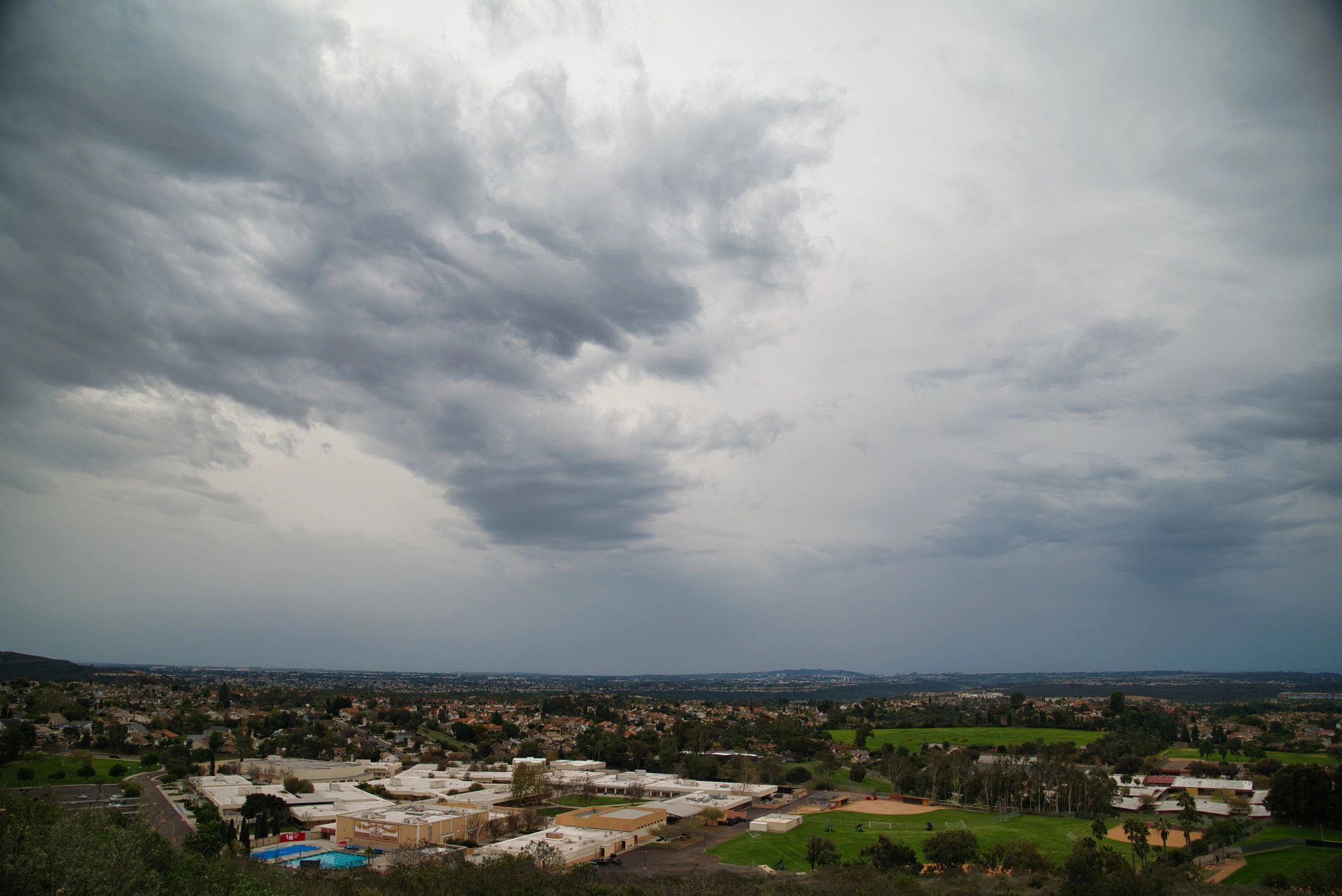
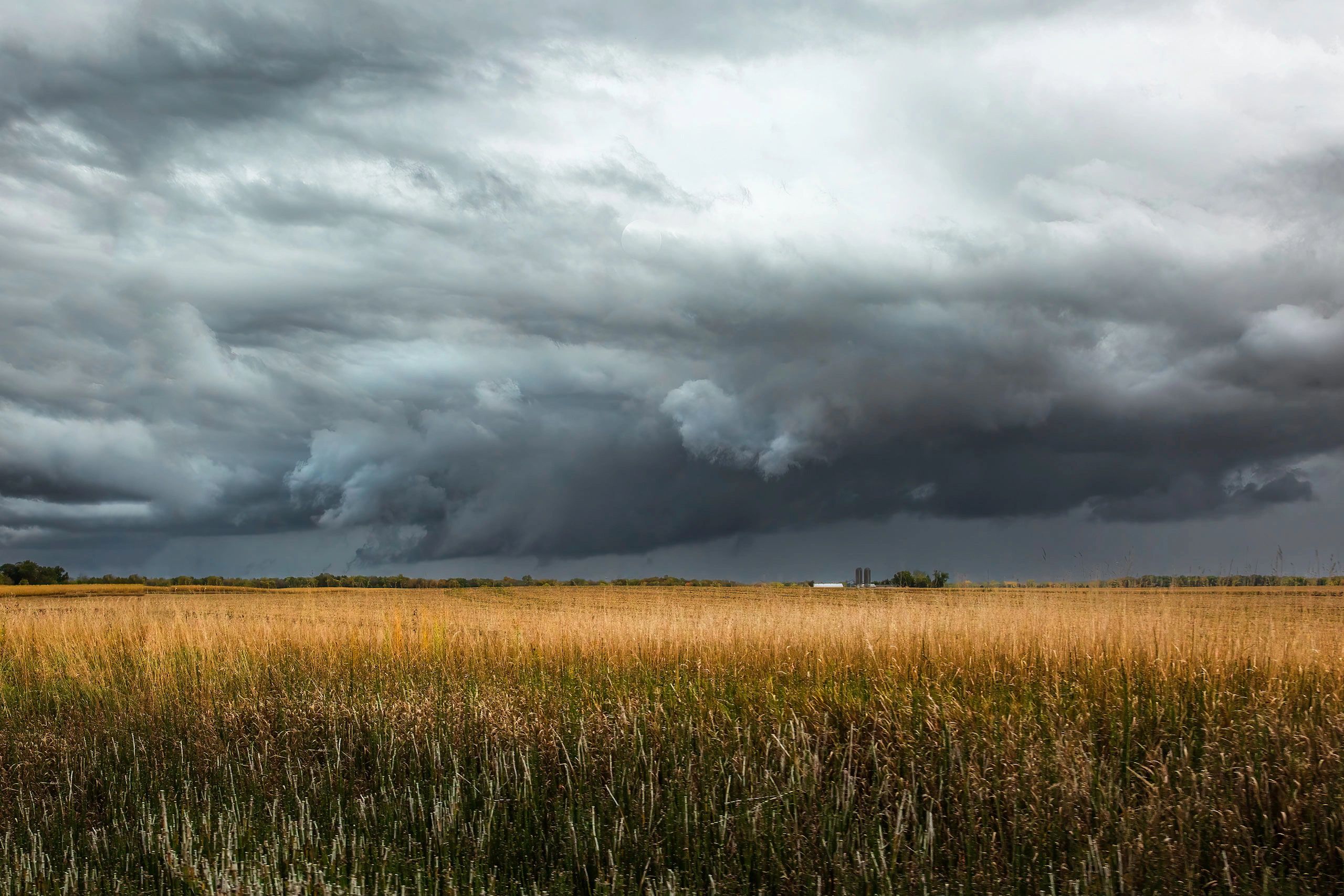
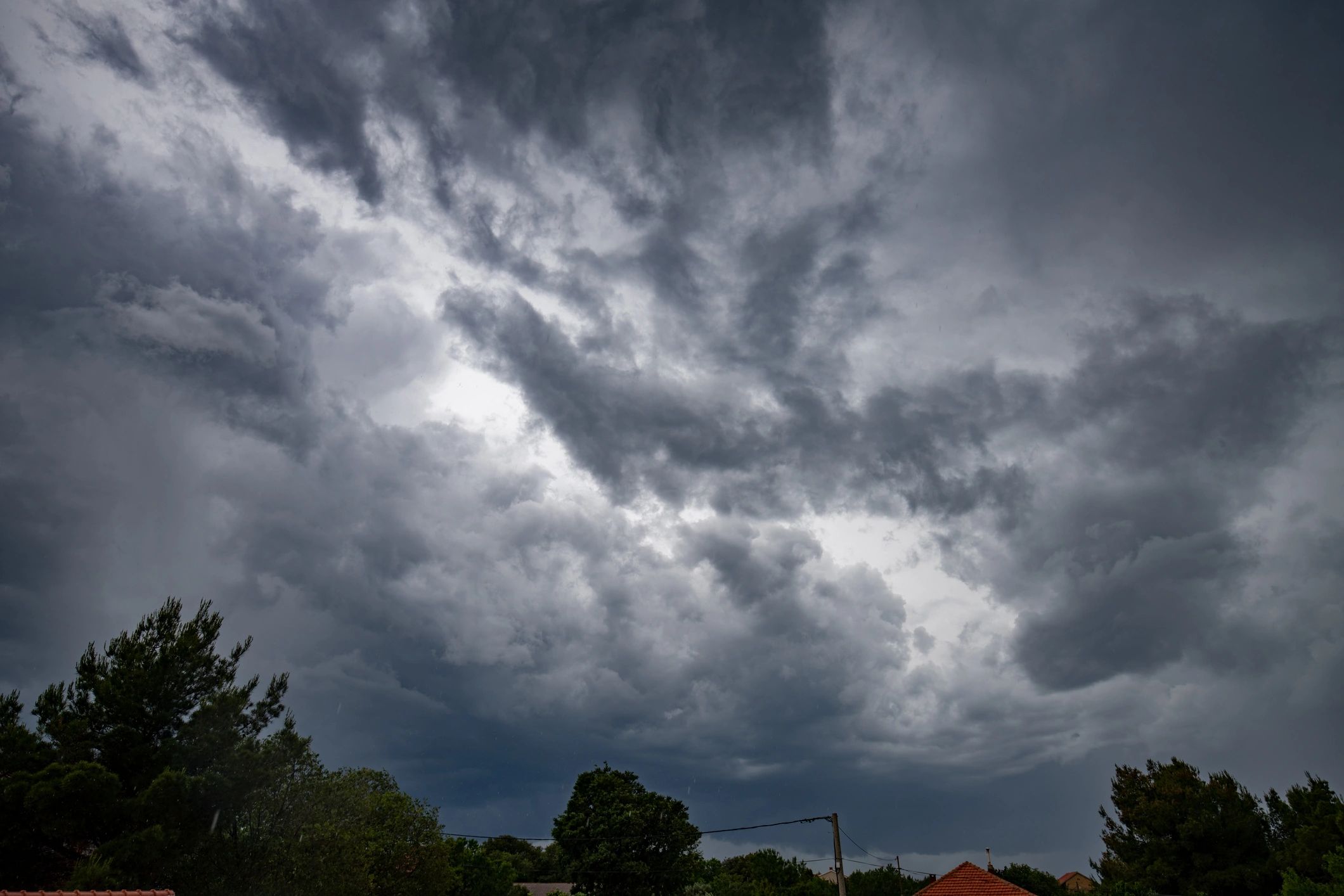
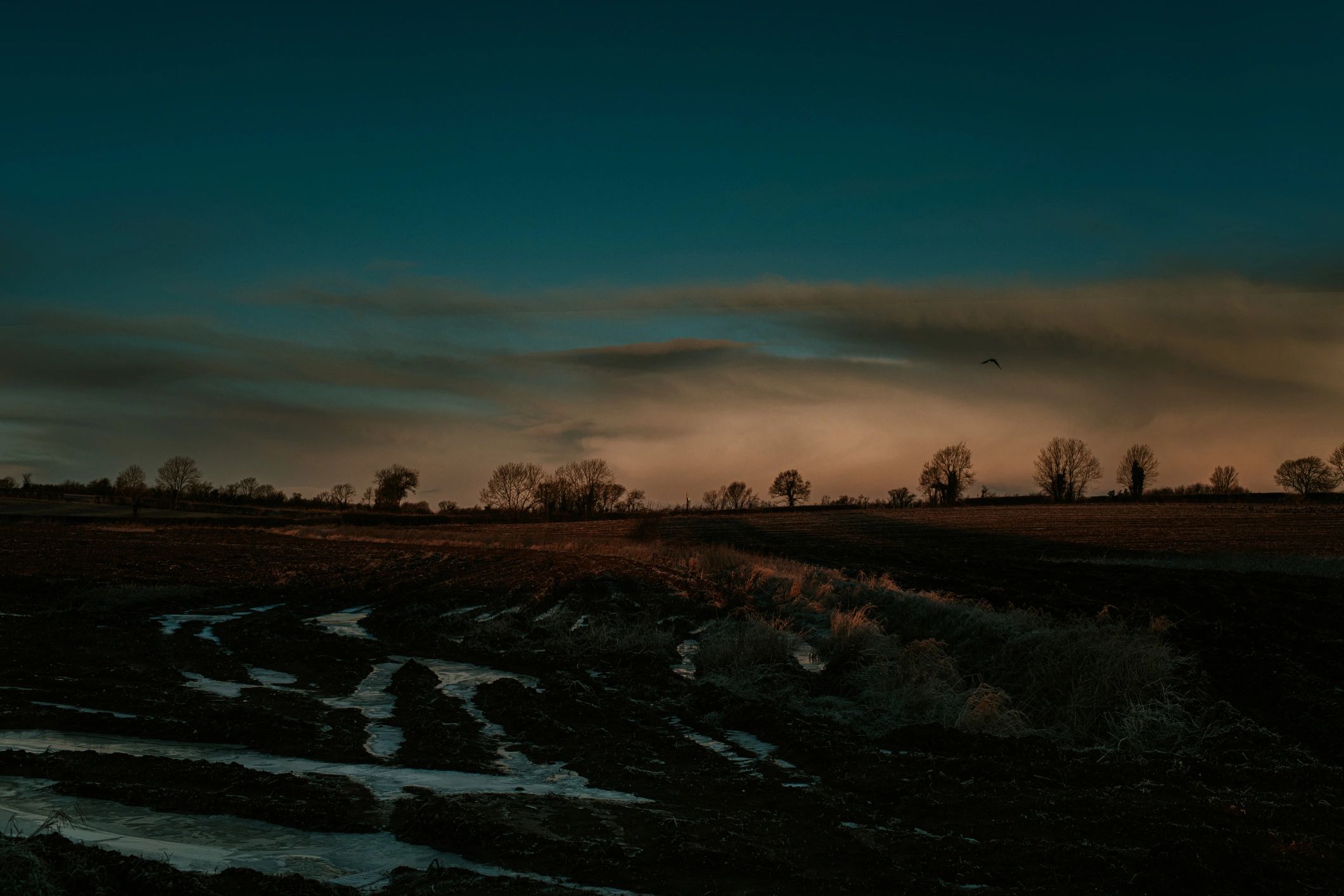
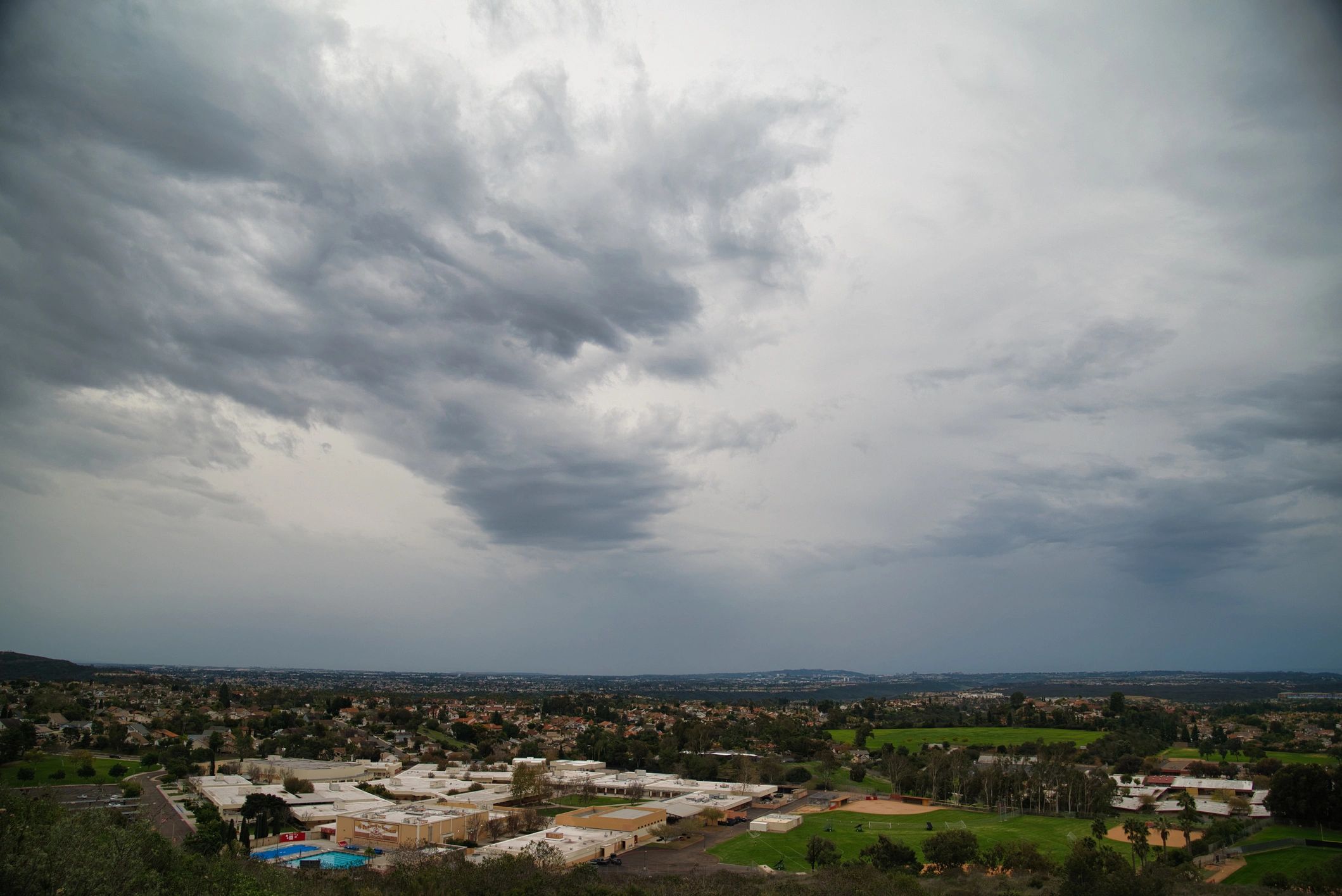
What storms can look like (and why context matters)
Storm photography can be dramatic, but learning is about recognizing structure, hazards, and evolving conditions—not chasing the most intense look.

External learning links (trusted starting points)
These are widely used, reputable resources for weather education and real-time understanding. Always follow local guidance and official warnings.
National Weather Service (NWS)
Forecasts, watches/warnings, storm reports, and educational explainers. Start with your local forecast office pages.
Storm Prediction Center (SPC)
Convective outlooks, mesoscale discussions, watch information, and severe weather climatology.
NOAA JetStream (Meteorology 101)
A structured, beginner-friendly meteorology course covering fundamentals like fronts, instability, and thunderstorms.
COMET MetEd (free training modules)
In-depth meteorology and forecasting modules used by professionals. Great for leveling up after the basics.
Radar training (concepts & pitfalls)
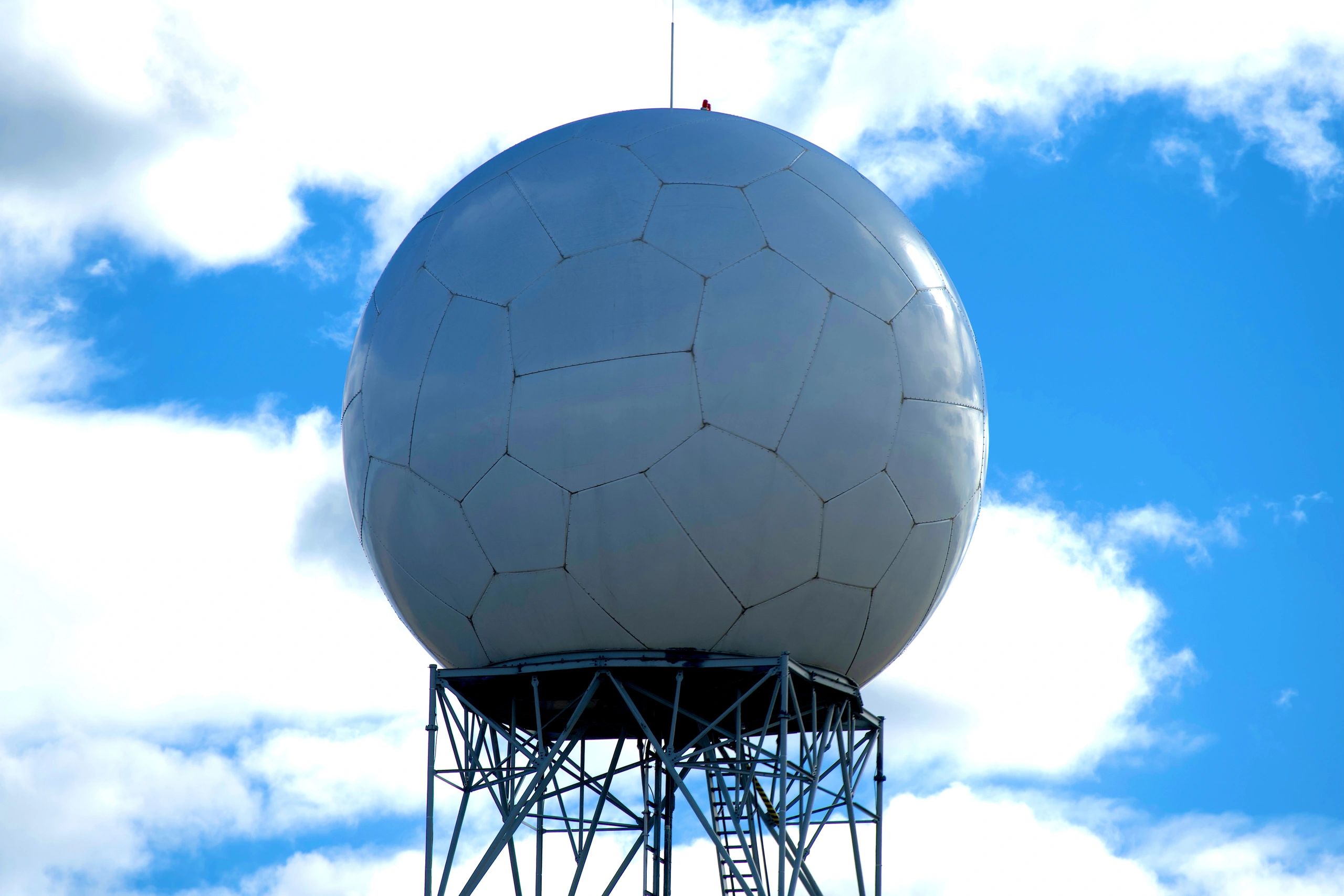
Learn what radar can and can’t show, including beam height, attenuation, and velocity ambiguity—key for safe interpretation.
Severe weather safety guidance
Official safety guidance for lightning, tornadoes, and flash flooding—use this to inform your personal chase rules.