Wiki • Gear
Storm chasing gear: what to bring, why it matters
A practical, safety-first checklist of equipment for navigation, communication, weather awareness, and documentation—organized by priority so you can build your kit over time.
Core categories
Start with the essentials
If you’re new, focus on the items that improve situational awareness and keep you self-sufficient. Add specialized tools after you’ve mastered safe decision-making.
Field-ready setup
Your in-vehicle “command center”
Keep critical information easy to access and reduce distraction. A clean setup helps you make better decisions when conditions change quickly.
Mounts that don’t block airbags or sightlines
Hands-free audio for alerts and communication
Offline maps + printed backup route options
Spare charging cables, power bank, and fuses
Gear FAQ
Common questions about what to buy first, what to skip, and how to stay safe while using equipment.
What should I buy first if I’m on a budget?
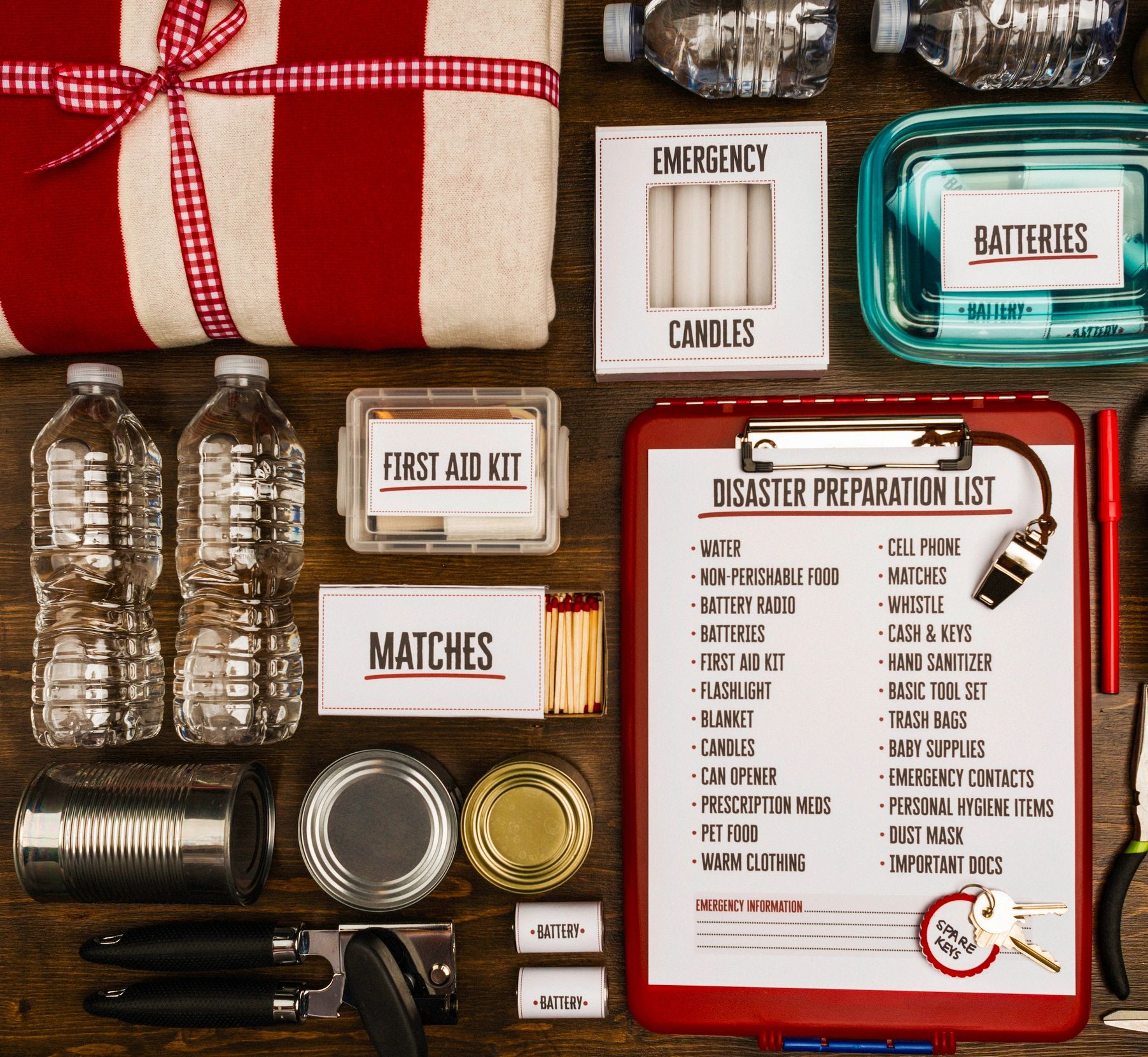
Prioritize situational awareness: a dependable phone plan, a quality car charger, offline maps, and a basic first-aid kit. Fancy sensors can wait.
Do I need a dedicated radar device?
Not necessarily. Many chasers start with a phone/tablet app. What matters most is learning how to interpret radar and checking it safely (not while driving).
Is a dash cam useful for chasing?
Yes—dash cams can document conditions and provide context after the fact. Mount it securely and ensure it doesn’t distract you.
What about helmets, body armor, or extreme gear?
Avoid “tactical” upgrades as a substitute for good decisions. The safest gear is distance, escape routes, and restraint.
How do I protect my camera gear from hail and rain?
Use a weather cover, keep microfiber cloths handy, and store equipment in padded, water-resistant cases. Don’t set up in exposed locations when hail is possible.
Should I carry a weather radio?
It’s a solid backup for alerts when cell coverage is weak. Pair it with multiple alert sources rather than relying on one channel.